BackBack

The Chipsi Small Animal Bedding is a single listing covering four different Chipsi beddings - softwood shavings, corn granulate and two Carefresh paper beddings. They behave differently from one another, so read the options below before you choose.

Key Features

  • Chipsi Citrus, 3.2 kg (60 L) - kiln-dried softwood shavings with a natural lemon scent. The everyday choice for rabbits, guinea pigs and rodents.
  • Chipsi Mais-Citrus, 10 L - granulate made from corn rather than wood, with a lemon scent. Heavier than shavings, so it stays put instead of clinging to fur and paws, and it does not scatter as much.
  • Chipsi Carefresh Original, 60 L - soft paper bedding. The one to pick if wood does not suit your animal, and the easiest to burrow and nest in.
  • Chipsi Carefresh Confetti, 50 L - the same paper bedding in mixed colours.
  • All four are absorbent, odour-binding and biodegradable.
  • From JRS, the German manufacturer behind the Chipsi range.

How To Use

  • Clean the enclosure out, then spread a layer 5 to 10 cm deep across the base.
  • Scoop out the wet and soiled patches every day and top the level back up.
  • Strip and replace the whole lot at least once a week, and wash the base out before refilling.
  • For a litter-trained rabbit, use it in the tray and put a hay rack right beside it.

Good To Know

  • These four options are genuinely different products, not four sizes of one. Carefresh is paper, Mais is corn, and Citrus is wood - check which one you have selected before you order.
  • Corn and paper beddings are heavier and less dusty than shavings, which is why people move to them for animals with sensitive airways. They also cost more per litre.
  • Scented bedding does not suit every animal. Rabbits, guinea pigs, rats and hamsters have sensitive airways and some individuals react to any fragrance, natural or not. If yours starts sneezing, wheezing, or gets runny eyes or a runny nose, move to the unscented Chipsi Classic - and start with unscented if your pet has any history of respiratory trouble.
  • This is kiln-dried, dust-reduced softwood shaving, which is not the same thing as the raw pine and cedar shavings exotic vets warn about. If your own vet has advised against wood bedding for your animal, use a paper or hemp bedding instead.
  • No bedding is genuinely dust-free. JRS describes Chipsi as dust-reduced. Pour it in gently, and let the enclosure air for a minute rather than tipping the bag in with the animal sitting in it.
  • Urine turns into ammonia, and ammonia is the main cause of respiratory disease in caged small animals. Scoop the wet patches out every day and strip the whole enclosure at least weekly - more often for rabbits, guinea pigs and rats, which produce a lot of urine.
  • Lay it 5 to 10 cm deep. Hamsters, gerbils and mice burrow, and a thin scattering does not let them behave normally.
  • Change bedding brands gradually. Small animals recognise home by smell, so when you strip the enclosure keep a handful of the old clean bedding and mix it back in.
  • Bedding is not food. A little gets eaten during nest-building and that is normal, but a pet chewing bedding instead of hay is telling you there is not enough hay.
  • Bedding does not replace hay. Rabbits and guinea pigs need unlimited grass hay in front of them at all times - it is the bulk of what they should eat and it is what wears their teeth down.
  • This is small-animal bedding, not cat litter. It does not clump and it is not made for a cat tray.
  • Keep the bag sealed, off the floor and somewhere dry. Bedding that takes up damp in a UAE store room can go mouldy before it ever reaches the cage.
  • JRS states the bedding is biodegradable and compostable. Soiled bedding from herbivores composts well; it is not one for a wormery, and do not put it on anything you will be eating from this season.
  • Small animals hide illness until they are very unwell. A rabbit or guinea pig that stops eating or stops passing droppings for 12 hours is an emergency, not a wait-and-see - gut stasis can kill within a day. Sneezing, laboured breathing or wet eyes and nose need a vet who sees exotics.

Chipsi small animal bedding - citrus wood shavings, corn or carefresh paper

Four Bedding Types I Wood, Corn or Paper I Rabbits, Guinea Pigs & Rodents I 10 L to 60 L

AED 39.99

sold in last hours

Buy this product and Earn 40 Points!

3.2KG3.2KG
10L10L
60L60L
50L50L
CitrusCitrus
Mais-CitrusMais-Citrus
Carefresh OriginalCarefresh Original
Carefresh ConfettiCarefresh Confetti

Available Offers

15% Off Your First Order*

Use code: FIRSTORDER15

Exclusive 15% Off for Emirates Platinum Cardholders

Use code: EMIRATES15

Get 15% OFF on your first three app orders!

Use code: APP15

Delivery Information

Select Emirate
  • Free Shipping Free Shipping
  • Free Shipping Easy Return
  • Free Shipping Fast Delivery
Order in the next to get it by
Buy now pay later
Use these payment methods on checkout
4 interest-free payments Select Tabby at checkout
You'll get SMS reminders for repayment. You can repay using your Mastercard or Visa debit and credit cards
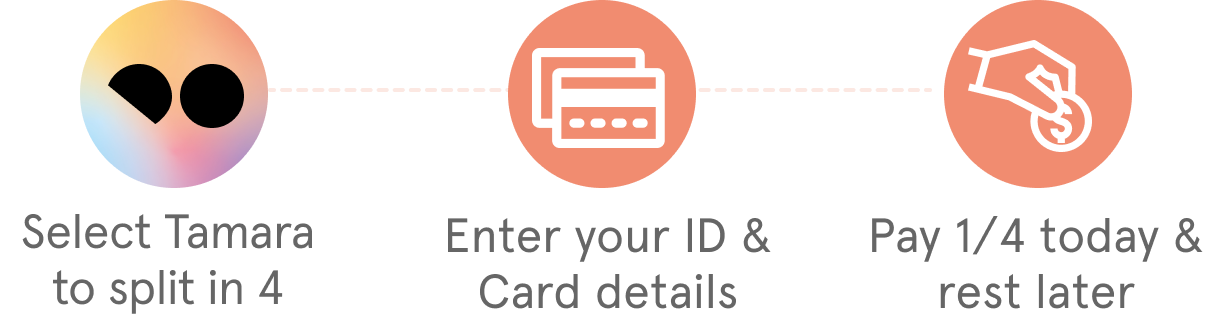
Split in 4, interest-free Select Tamara at checkout
You'll get SMS reminders for repayment. You can repay using your Mastercard or Visa debit and credit cards

The Chipsi Small Animal Bedding is a single listing covering four different Chipsi beddings - softwood shavings, corn granulate and two Carefresh paper beddings. They behave differently from one another, so read the options below before you choose.

Key Features

  • Chipsi Citrus, 3.2 kg (60 L) - kiln-dried softwood shavings with a natural lemon scent. The everyday choice for rabbits, guinea pigs and rodents.
  • Chipsi Mais-Citrus, 10 L - granulate made from corn rather than wood, with a lemon scent. Heavier than shavings, so it stays put instead of clinging to fur and paws, and it does not scatter as much.
  • Chipsi Carefresh Original, 60 L - soft paper bedding. The one to pick if wood does not suit your animal, and the easiest to burrow and nest in.
  • Chipsi Carefresh Confetti, 50 L - the same paper bedding in mixed colours.
  • All four are absorbent, odour-binding and biodegradable.
  • From JRS, the German manufacturer behind the Chipsi range.

How To Use

  • Clean the enclosure out, then spread a layer 5 to 10 cm deep across the base.
  • Scoop out the wet and soiled patches every day and top the level back up.
  • Strip and replace the whole lot at least once a week, and wash the base out before refilling.
  • For a litter-trained rabbit, use it in the tray and put a hay rack right beside it.

Good To Know

  • These four options are genuinely different products, not four sizes of one. Carefresh is paper, Mais is corn, and Citrus is wood - check which one you have selected before you order.
  • Corn and paper beddings are heavier and less dusty than shavings, which is why people move to them for animals with sensitive airways. They also cost more per litre.
  • Scented bedding does not suit every animal. Rabbits, guinea pigs, rats and hamsters have sensitive airways and some individuals react to any fragrance, natural or not. If yours starts sneezing, wheezing, or gets runny eyes or a runny nose, move to the unscented Chipsi Classic - and start with unscented if your pet has any history of respiratory trouble.
  • This is kiln-dried, dust-reduced softwood shaving, which is not the same thing as the raw pine and cedar shavings exotic vets warn about. If your own vet has advised against wood bedding for your animal, use a paper or hemp bedding instead.
  • No bedding is genuinely dust-free. JRS describes Chipsi as dust-reduced. Pour it in gently, and let the enclosure air for a minute rather than tipping the bag in with the animal sitting in it.
  • Urine turns into ammonia, and ammonia is the main cause of respiratory disease in caged small animals. Scoop the wet patches out every day and strip the whole enclosure at least weekly - more often for rabbits, guinea pigs and rats, which produce a lot of urine.
  • Lay it 5 to 10 cm deep. Hamsters, gerbils and mice burrow, and a thin scattering does not let them behave normally.
  • Change bedding brands gradually. Small animals recognise home by smell, so when you strip the enclosure keep a handful of the old clean bedding and mix it back in.
  • Bedding is not food. A little gets eaten during nest-building and that is normal, but a pet chewing bedding instead of hay is telling you there is not enough hay.
  • Bedding does not replace hay. Rabbits and guinea pigs need unlimited grass hay in front of them at all times - it is the bulk of what they should eat and it is what wears their teeth down.
  • This is small-animal bedding, not cat litter. It does not clump and it is not made for a cat tray.
  • Keep the bag sealed, off the floor and somewhere dry. Bedding that takes up damp in a UAE store room can go mouldy before it ever reaches the cage.
  • JRS states the bedding is biodegradable and compostable. Soiled bedding from herbivores composts well; it is not one for a wormery, and do not put it on anything you will be eating from this season.
  • Small animals hide illness until they are very unwell. A rabbit or guinea pig that stops eating or stops passing droppings for 12 hours is an emergency, not a wait-and-see - gut stasis can kill within a day. Sneezing, laboured breathing or wet eyes and nose need a vet who sees exotics.