BackBack
Sold out

The Chipsi Super Fine Granule Bedding for Small Pets is fine softwood granules from JRS, made to go underneath your normal bedding as an odour-binding base layer rather than to be used on its own.

Key Features

  • Fine softwood granules rather than shavings. The pack calls it an Unterstreu - an under-litter, the layer that goes down first.
  • The capillary structure pulls moisture and odour down away from the surface, which is what keeps the top layer dry for longer.
  • Low in dust and bacteria, which is the point of it for animals with sensitive airways.
  • Soft enough not to be harsh on bare feet.
  • Economical - because it absorbs so much, you use less and change less often.
  • 3.4 kg compressed, which expands to roughly 60 litres.
  • JRS lists it as suitable for chinchillas, degus, dwarf and Syrian hamsters, ferrets, guinea pigs, mice, gerbils, rabbits, rats and spiny mice, and for alpacas, button quails, chickens, donkeys, geese, goats, llamas, mini-pigs, miniature cattle, pigeons and sheep.

How To Use

  • Spread a thin layer of granules across the clean base first.
  • Put your usual bedding - shavings, paper or hemp - on top of it, 5 to 10 cm deep.
  • Scoop soiled patches from the top layer daily.
  • Replace both layers when you strip the enclosure.

Good To Know

  • It is designed as a base layer, not as the whole bedding. Granules on their own are not comfortable to sit on all day and burrowing animals cannot nest in them.
  • This is kiln-dried, dust-reduced softwood, which is not the same thing as the raw pine and cedar shavings exotic vets warn about. If your own vet has advised against wood bedding for your animal, use a paper or hemp bedding instead.
  • No bedding is genuinely dust-free. JRS describes Chipsi as dust-reduced. Pour it in gently, and let the enclosure air for a minute rather than tipping the bag in with the animal sitting in it.
  • Urine turns into ammonia, and ammonia is the main cause of respiratory disease in caged small animals. Scoop the wet patches out every day and strip the whole enclosure at least weekly - more often for rabbits, guinea pigs and rats, which produce a lot of urine.
  • Change bedding brands gradually. Small animals recognise home by smell, so when you strip the enclosure keep a handful of the old clean bedding and mix it back in.
  • Bedding is not food. A little gets eaten during nest-building and that is normal, but a pet chewing bedding instead of hay is telling you there is not enough hay.
  • Bedding does not replace hay. Rabbits and guinea pigs need unlimited grass hay in front of them at all times - it is the bulk of what they should eat and it is what wears their teeth down.
  • This is small-animal bedding, not cat litter. It does not clump and it is not made for a cat tray.
  • Keep the bag sealed, off the floor and somewhere dry. Bedding that takes up damp in a UAE store room can go mouldy before it ever reaches the cage.
  • JRS states the bedding is biodegradable and compostable. Soiled bedding from herbivores composts well; it is not one for a wormery, and do not put it on anything you will be eating from this season.
  • Small animals hide illness until they are very unwell. A rabbit or guinea pig that stops eating or stops passing droppings for 12 hours is an emergency, not a wait-and-see - gut stasis can kill within a day. Sneezing, laboured breathing or wet eyes and nose need a vet who sees exotics.

Chipsi super fine granule bedding for small pets - 3.4 kg, 60 l

Fine Softwood Granules I Odour-Binding Base Layer I Low Dust I 3.4 kg (60 L)

AED 35.00

sold out

Delivery Information

Select Emirate
  • Free Shipping Free Shipping
  • Free Shipping Easy Return
  • Free Shipping Fast Delivery
Buy now pay later
Use these payment methods on checkout
4 interest-free payments Select Tabby at checkout
You'll get SMS reminders for repayment. You can repay using your Mastercard or Visa debit and credit cards
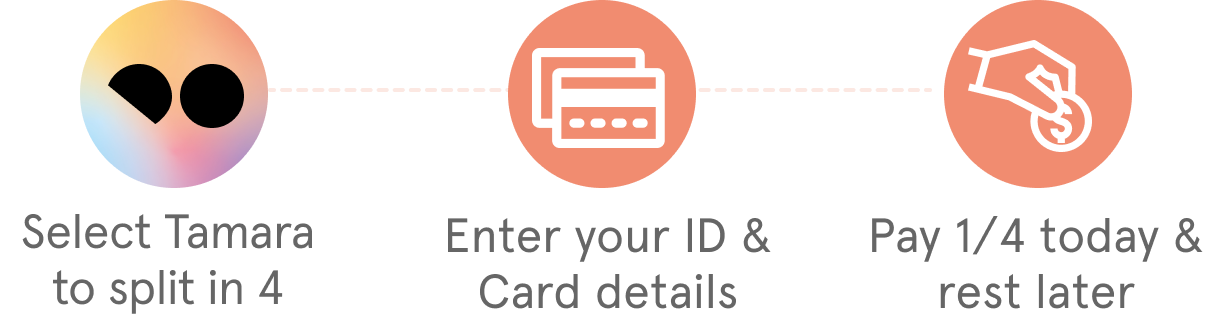
Split in 4, interest-free Select Tamara at checkout
You'll get SMS reminders for repayment. You can repay using your Mastercard or Visa debit and credit cards

The Chipsi Super Fine Granule Bedding for Small Pets is fine softwood granules from JRS, made to go underneath your normal bedding as an odour-binding base layer rather than to be used on its own.

Key Features

  • Fine softwood granules rather than shavings. The pack calls it an Unterstreu - an under-litter, the layer that goes down first.
  • The capillary structure pulls moisture and odour down away from the surface, which is what keeps the top layer dry for longer.
  • Low in dust and bacteria, which is the point of it for animals with sensitive airways.
  • Soft enough not to be harsh on bare feet.
  • Economical - because it absorbs so much, you use less and change less often.
  • 3.4 kg compressed, which expands to roughly 60 litres.
  • JRS lists it as suitable for chinchillas, degus, dwarf and Syrian hamsters, ferrets, guinea pigs, mice, gerbils, rabbits, rats and spiny mice, and for alpacas, button quails, chickens, donkeys, geese, goats, llamas, mini-pigs, miniature cattle, pigeons and sheep.

How To Use

  • Spread a thin layer of granules across the clean base first.
  • Put your usual bedding - shavings, paper or hemp - on top of it, 5 to 10 cm deep.
  • Scoop soiled patches from the top layer daily.
  • Replace both layers when you strip the enclosure.

Good To Know

  • It is designed as a base layer, not as the whole bedding. Granules on their own are not comfortable to sit on all day and burrowing animals cannot nest in them.
  • This is kiln-dried, dust-reduced softwood, which is not the same thing as the raw pine and cedar shavings exotic vets warn about. If your own vet has advised against wood bedding for your animal, use a paper or hemp bedding instead.
  • No bedding is genuinely dust-free. JRS describes Chipsi as dust-reduced. Pour it in gently, and let the enclosure air for a minute rather than tipping the bag in with the animal sitting in it.
  • Urine turns into ammonia, and ammonia is the main cause of respiratory disease in caged small animals. Scoop the wet patches out every day and strip the whole enclosure at least weekly - more often for rabbits, guinea pigs and rats, which produce a lot of urine.
  • Change bedding brands gradually. Small animals recognise home by smell, so when you strip the enclosure keep a handful of the old clean bedding and mix it back in.
  • Bedding is not food. A little gets eaten during nest-building and that is normal, but a pet chewing bedding instead of hay is telling you there is not enough hay.
  • Bedding does not replace hay. Rabbits and guinea pigs need unlimited grass hay in front of them at all times - it is the bulk of what they should eat and it is what wears their teeth down.
  • This is small-animal bedding, not cat litter. It does not clump and it is not made for a cat tray.
  • Keep the bag sealed, off the floor and somewhere dry. Bedding that takes up damp in a UAE store room can go mouldy before it ever reaches the cage.
  • JRS states the bedding is biodegradable and compostable. Soiled bedding from herbivores composts well; it is not one for a wormery, and do not put it on anything you will be eating from this season.
  • Small animals hide illness until they are very unwell. A rabbit or guinea pig that stops eating or stops passing droppings for 12 hours is an emergency, not a wait-and-see - gut stasis can kill within a day. Sneezing, laboured breathing or wet eyes and nose need a vet who sees exotics.